

I remember the moment AI stopped being “a tech thing” and became something else, something almost domestic. It didn’t arrive as a headline. It arrived as a small shift in my workflow, as a new expectation in a meeting, as a different kind of question inside a document.
It was an ordinary day, the kind where life is braided. A school message I couldn’t ignore. A calendar full of calls. A piece of work that required precision and speed at the same time. I was mapping processes, translating requirements into actions, doing what I actually do, taking complexity and turning it into something people can live with.
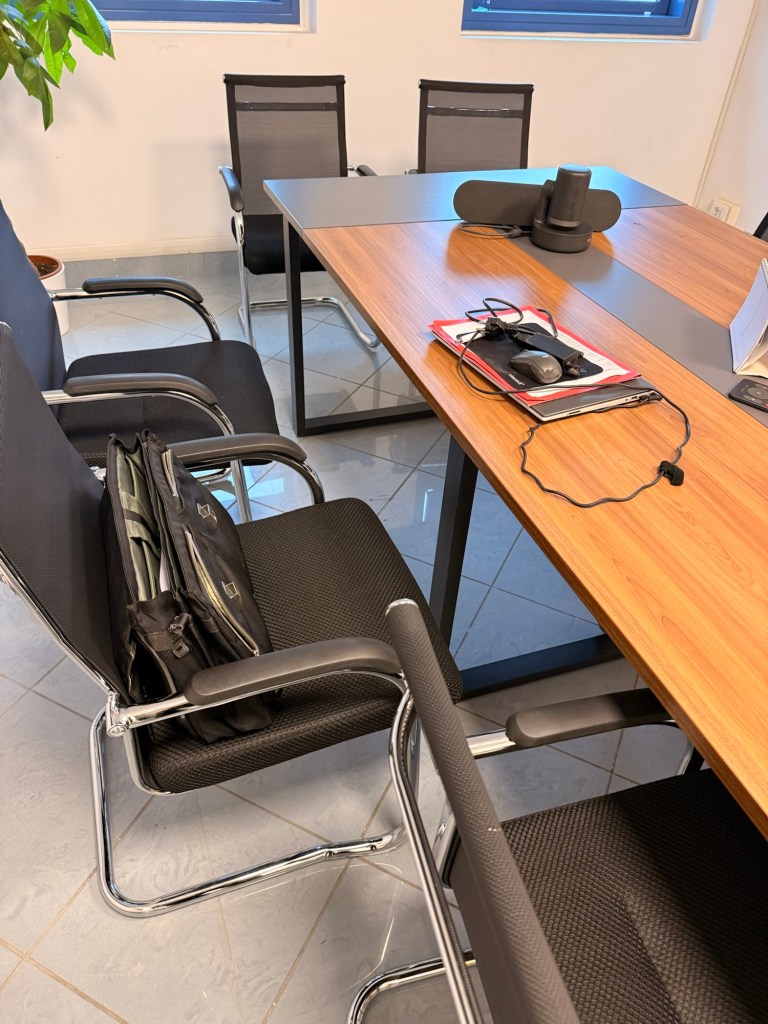
At some point someone said, almost casually, “Can we use AI for this part?”
Not “Should we?” Not “Is it allowed?” Just: can we.
And in that single sentence, I felt the ground move.
Because the question wasn’t about tools. It was about responsibility. About governance. About what happens when decisions accelerate faster than our ability to understand their consequences. About how easily a shortcut becomes a standard, and a standard becomes a system.
That’s when I understood it.
AI isn’t something I’ll “study later,” when things slow down.
It’s already changing how work gets done, how decisions are made, how organizations allocate time, trust, accountability. It’s already redesigning the systems we live inside.
So here is the declaration, plain, because it needs to be.
AI is not a tech topic. It’s a life design topic.
It changes how we work, how we decide, how we organize ourselves. It changes what competence means, what risk means, what “enough” means.
And those who don’t learn to read it will be subject to it.

I write under the name Arya Kamon. For years, I’ve worked in the seams between compliance, processes, and systems thinking, right where organizations get stuck, procedures that exist on paper, tools that don’t talk to each other, people carrying the weight of badly designed systems. I’m a mother of two, and I live in that middle ground where everything has to be useful, sustainable, applicable.
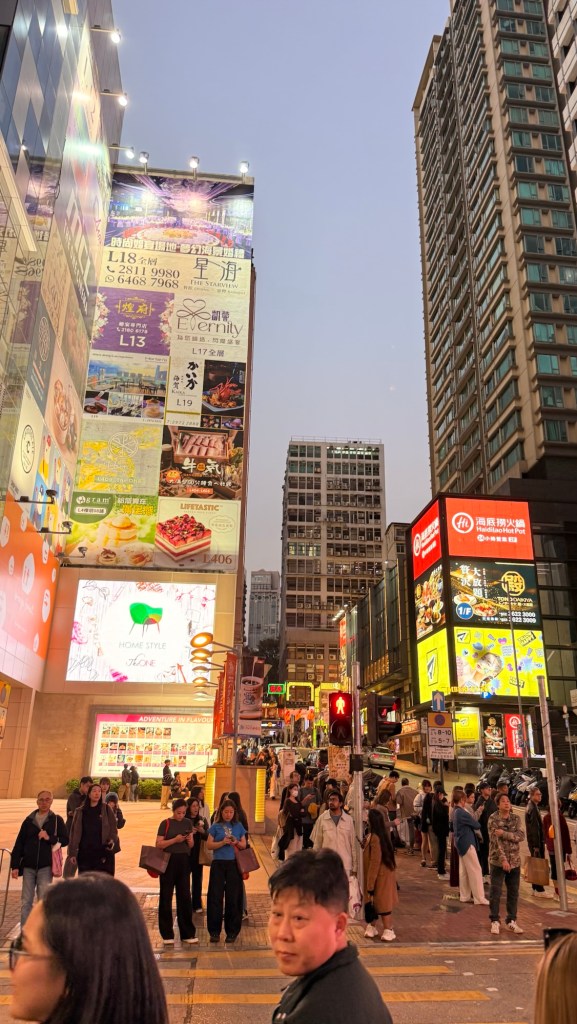
I’ve traveled in many parts of the world, and every trip has left me with something practical, a different way of looking at the same question, how we work, how we decide, what truly matters. But Asia is the lens that has stayed closest to me. Japan, China, Thailand, not as postcards, but as references. The value of continuous improvement, the speed of systems, the art of adaptation. On the blog, I’ll weave this passion in a broader way, and I’ll share, from time to time, small “travel lessons” from countries and people, to bring them back into everyday life, not just to tell stories.
AI entered my life through curiosity and method, not fashion. I started studying it and using it the way I would approach any powerful tool, by experimenting, measuring, setting boundaries. I care about where it truly accelerates work, and where it risks making us stop thinking. Errors, hallucinations, ethical implications, risks we don’t fully understand yet, I don’t deny them, I treat them as part of the picture.
I don’t write about AI because I’m “tech.” I write about it because I’m an integration person. I’ve worked across functions and projects, quality, HR, documentation, digital tools, operational coordination. I know what happens when a novelty arrives without a system around it, initial enthusiasm, confusion, and then a return to chaos. My work is to build connections between people, processes, and tools, until things actually start working.

The problem with AI isn’t a lack of information. It’s the excess of it, an overflow that makes it hard to see what matters.
If you’re holding many roles at once, if you’re building a life where everything you are must find its place, you’re not looking for spectacle. You’re looking for clarity.
Every update I select passes through three lenses.
Build, what’s changing in the tools.
Rules, what’s moving in governance and compliance.
Work, what’s changing in your day to day.
The tool changes the rule. The rule changes the workflow. The workflow changes the life.
And because your time matters, this column has a strict editorial backbone, every item must help you make a better decision, understand a risk, or gain an operational advantage. If it doesn’t do at least one of these three, it doesn’t get in.
AI Signals is this, weekly Instagram micro-briefings to understand what’s changing and what’s worth applying, without noise.
AI Signals Digest is the monthly checkpoint, less reaction, more direction.
If you’ve ever thought “I’m not the AI person” while carrying an already full life, if you want to understand enough to decide without becoming technical, this is for you.
In Japan, kaizen isn’t a slogan, it’s a discipline of small improvements that accumulate. Applied to AI, it means you don’t need to understand everything. You need to understand a little more, consistently.

I’m building skills to become more and more of a bridge, between those who decide and those who execute, between innovation and reality, between speed and responsibility. AI is the next context to understand, and to make usable.
If you want this kind of competence, steady, concrete, usable, then you’re in the right place.
Subscribe to AI Signals Digest, and follow me on Instagram for AI Signals.



 Full Life Expedition
Leave a comment