
The station-museum that teaches you to pause (and move forward better)
In Rome, beneath the Colosseum, they dug to build a subway station—and they found something else.
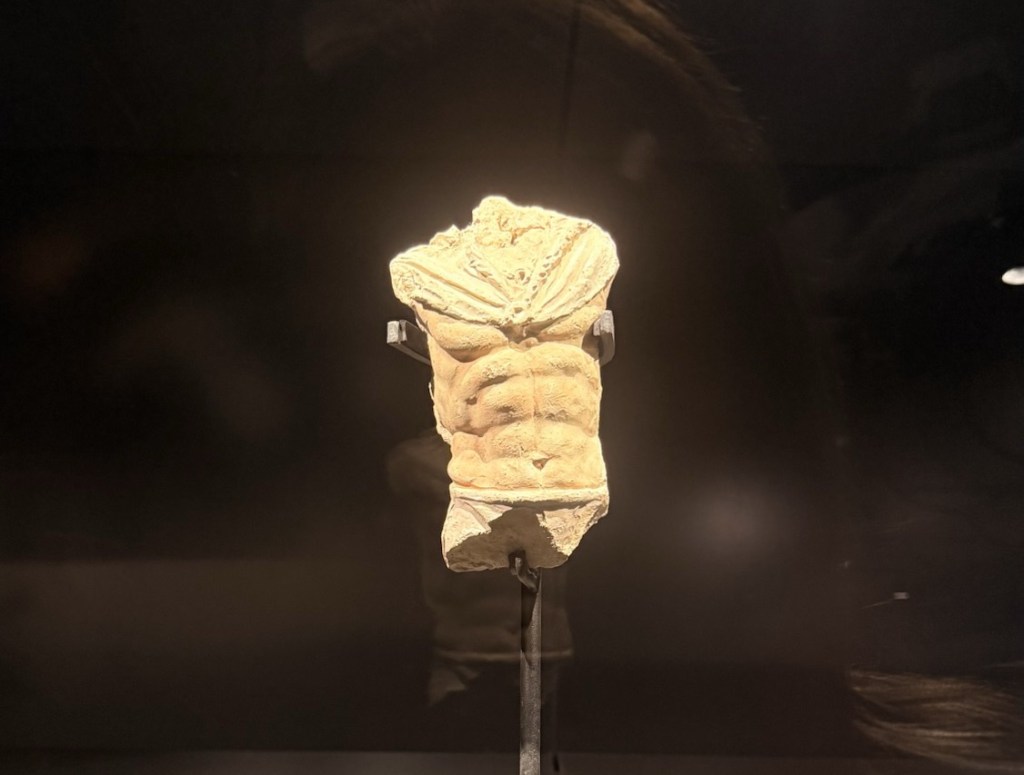
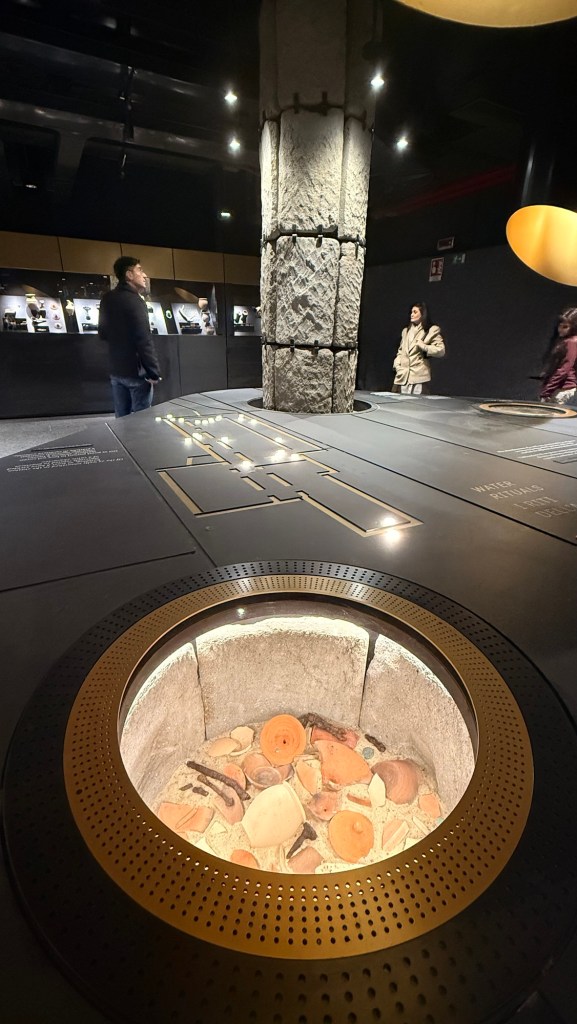
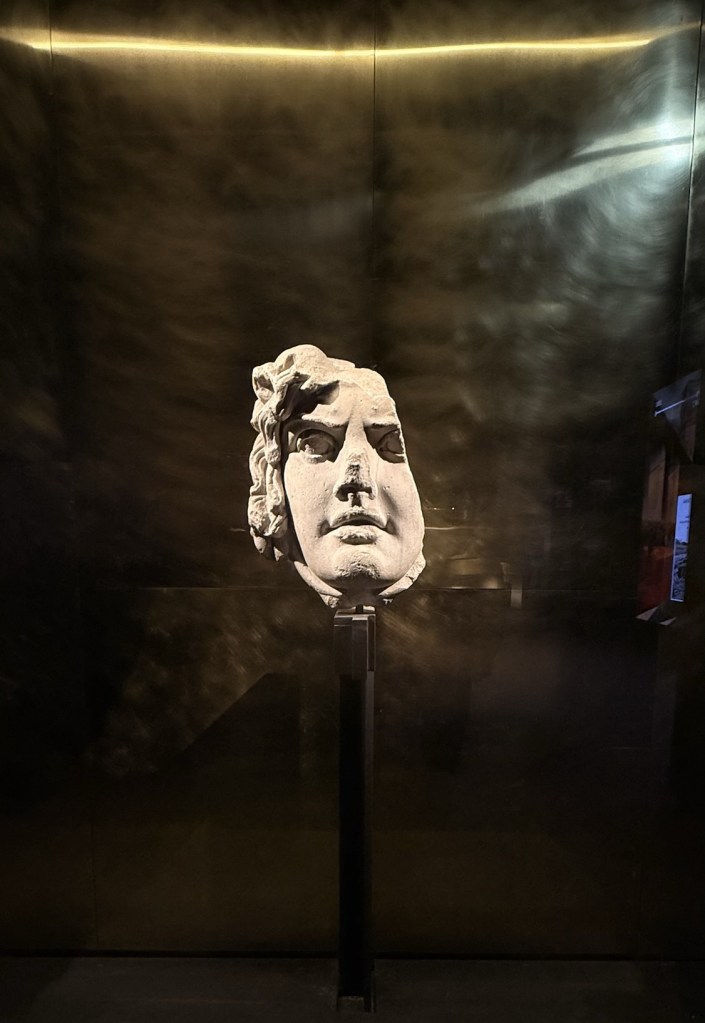
About twenty meters underground, beneath Via dei Fori Imperiali, layers of history surfaced: dozens of Republican-era wells, the remains of a thermal bath inside an ancient home, Imperial-age fresco fragments, even a marble head of Medusa. Two thousand years stacked one on top of another, asking—not loudly, but insistently—to be seen.
The construction site lasted more than thirteen years. It wasn’t just a delay. It was a negotiation. A slow conversation between the present, eager to build, and the past, refusing to be erased.
They could have covered everything. Moved the artifacts into storage. Accelerated. Instead, they paused. They redesigned the project. And in the end, those discoveries stayed right where they were found—visible, lit, and free to view. A museum born by accident, inside a metro station.
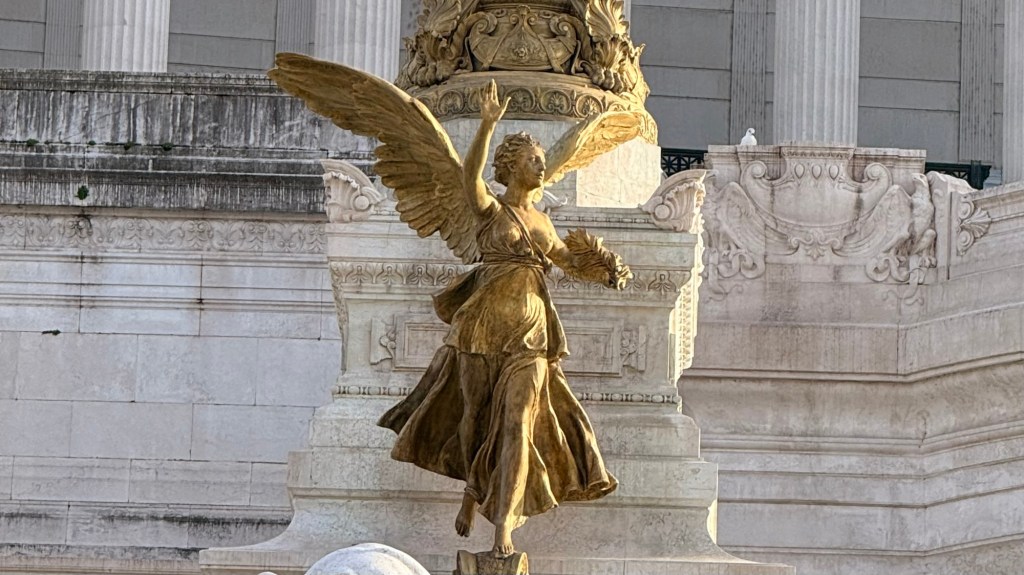
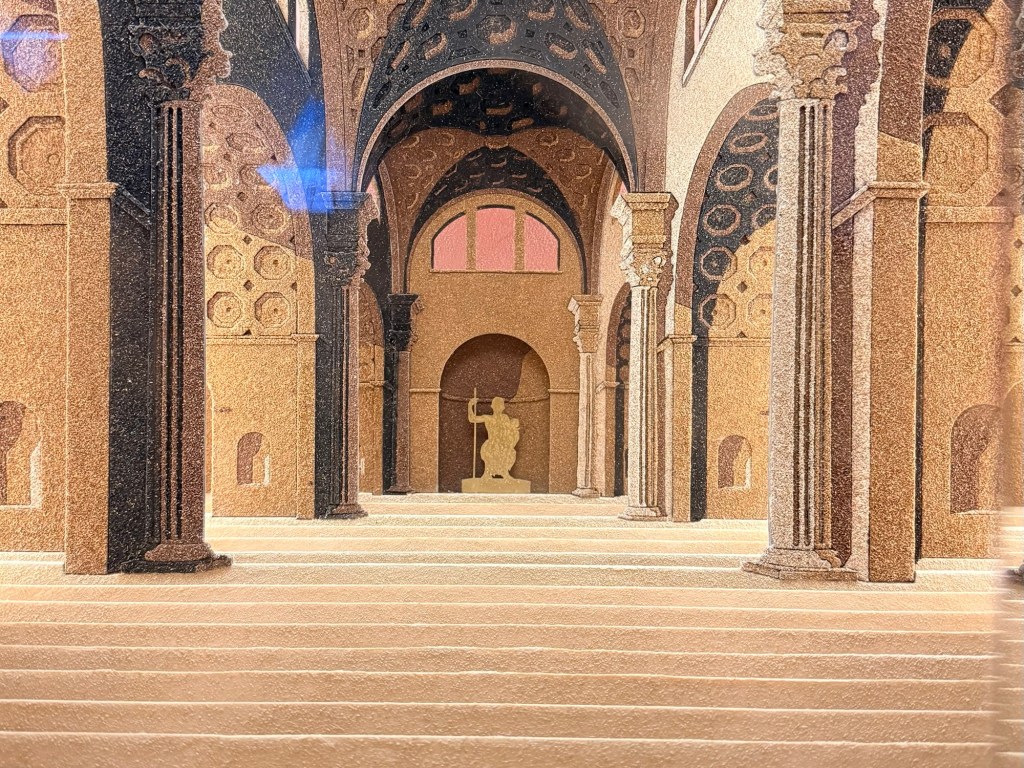
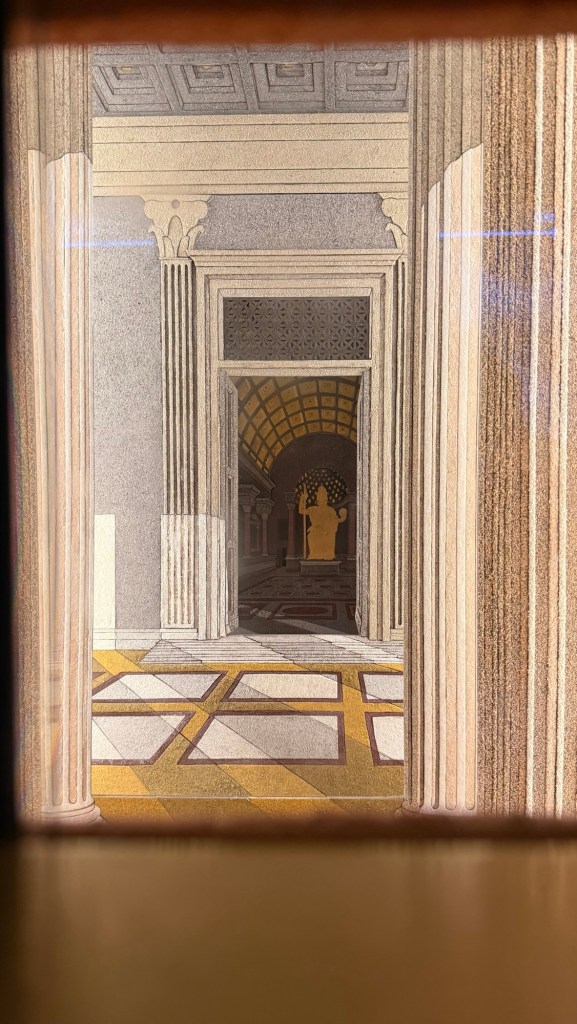
I passed through a few weeks ago. I went down the escalators, and instead of checking my phone, I looked around. There were glass displays with ancient objects, panels that told the story of the site, and dioramas reconstructing monuments from old Rome like small illuminated paper theaters. And in the passage connecting Metro C to the B line, a circular opening offered a view of the Colosseum from below—the Flavian Amphitheatre seen from an angle that makes you feel both small and oddly awake.
I sat on a bench and thought: this station is a perfect metaphor.
Not for Rome. Not for archaeology.
For life—especially for those seasons when we’re trying to build something new.
When you try to build… and unexpected layers appear
We try to build a routine, a balance, a new phase. Sometimes it happens after a big shift—a baby, a breakup, a new job. Sometimes it’s a smaller change that still moves something deep inside us. We start with a clear plan: timing, goals, expectations.
And then, while we’re “digging,” we find layers we didn’t expect.
Old fatigue rises to the surface.
Fears we thought we’d outgrown.
Needs we didn’t know we had.
Parts of ourselves we had shelved—now asking for room again.
The temptation is almost always the same: push harder.
Ignore what emerges. Cover it. Power through. Treat exhaustion as an enemy to defeat, time as a resource to squeeze, ourselves as machines that must function no matter what.
But that station reminded me there’s another way.
A way that isn’t “stop everything,” but rather: move forward differently.
Not by covering what appears—by integrating it.
Not by resisting—by reorganizing.
Resilience isn’t “going back to how it was”
Psychology has studied this process for a long time and calls it resilience. But not in the way we often use the word—gritting your teeth, holding your breath, forcing yourself back to “normal.”
Real resilience is something else.
It’s moving through change and coming out transformed.
Not identical, but whole.
Not invulnerable, but capable of carrying the experience as part of your story.
And here’s the part that matters most: it isn’t a rare talent reserved for a few “strong” people. It’s a capacity we all have—and it can be cultivated.
Not through extraordinary willpower.
Through small, repeatable gestures.
Through attention to what is surfacing.
Through the courage to adjust direction.
I’ve lived this more than once
In my life, it has happened many times: new phases, broken rhythms, balances to rebuild.
Each time, I had to change the way I organized my days—not to become perfect, but to breathe again.
I remember a period when days slipped through my hands no matter how well I planned. My lists were endless. My expectations were high. Every evening I felt exhausted, with the familiar sensation of running all day without arriving anywhere.
It wasn’t laziness.
It was that the system I’d built no longer worked.
It had been designed for a version of me that didn’t exist anymore.
I had to pause. Look at what had emerged. Accept that I couldn’t simply “push harder” and call it discipline.
The weekly review as a form of care (not productivity)
That’s when I discovered the practice of a weekly review—not as a productivity hack, but as an act of care.
An appointment with myself.
Ten minutes, once a week.
A small space to check in.
What do I keep?
What do I let go of?
What do I make simpler?
It isn’t a performance evaluation. There’s no grade. It feels closer to what archaeologists do: proceed carefully, observe what surfaces, decide what to preserve—and how to integrate it without destroying what came before.
While working on the station project, one of the archaeologists said something that stayed with me:
Every action here was carried out on tiptoe, fully aware we were working on the foundations of Roman civilization.
On tiptoe. Fully aware.
And I keep wondering: what if we treated ourselves that way?
When we dig into our days and find unexpected layers—fatigue, needs, parts of us asking for attention—maybe the answer isn’t to cover it and move on. Maybe the answer is to pause, look, and integrate.
From “archaeological risk” to “archaeological potential”
During the construction, something important shifted: the mindset moved from “archaeological risk” to “archaeological potential.”
Not something to fear. Something to explore.
I think that distinction applies to life, too.
What surfaces when we try to change isn’t necessarily an obstacle. It can be information. It can be a resource. It can be a missing piece that makes the new structure more honest—and more sustainable.
The three questions that give time back
I don’t believe the win is “enduring at all costs.”
The win is taking your time back—one adjustment at a time.
For me, the turning point isn’t surviving my days. It’s treating them like something living—something I can touch, move, lighten.
Here is the small ritual that helps me most:
Ten minutes, once a week, with three questions.
1) What do I keep?
What is working—even in a small way?
Which habits, commitments, or relationships are supporting me?
What deserves to stay because it’s aligned with who I am now?
2) What do I let go of?
What am I carrying out of guilt, fear, or outdated expectations?
What is “noise” disguised as responsibility?
What can I stop doing without the world collapsing?
3) What do I make simpler?
Where am I overcomplicating things to feel in control?
What is the smallest version of this task that still counts?
What can become lighter—through a template, a routine, a boundary, or a different pace?
That’s it.
No complicated system. No perfect planner. No life overhaul.
Just the willingness to pause, notice, and choose.
To treat your life like a precious construction site, where every layer deserves attention.
If this made you pause, save it
If these words made you stop for a second, save this post.
Come back to it on a week when you need the reminder that you can change rhythm. That sometimes pausing is the most intelligent way to move forward.
Not by pushing harder.
By moving on tiptoe, and building a life that includes everything you find along the way.

 Full Life Expedition
Leave a comment