

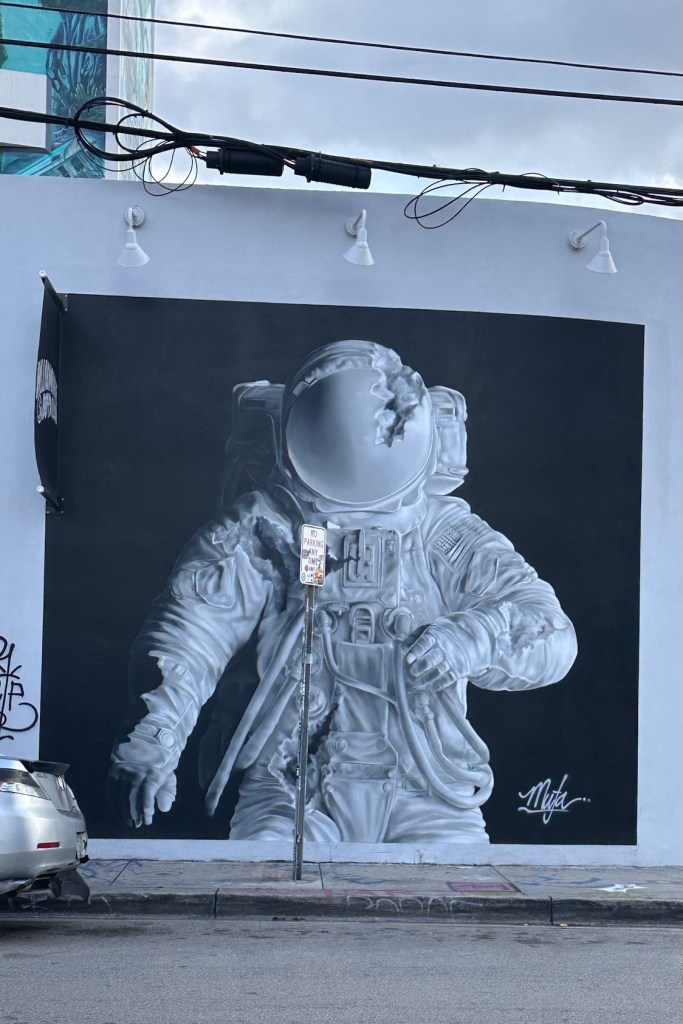
From childhood, we are taught that life is a straight road. Choosing becomes the most repeated verb, the most requested action. You must choose a path, a talent, a direction. By high school, we are already faced with the first major decision: “What do you want to be when you grow up?”
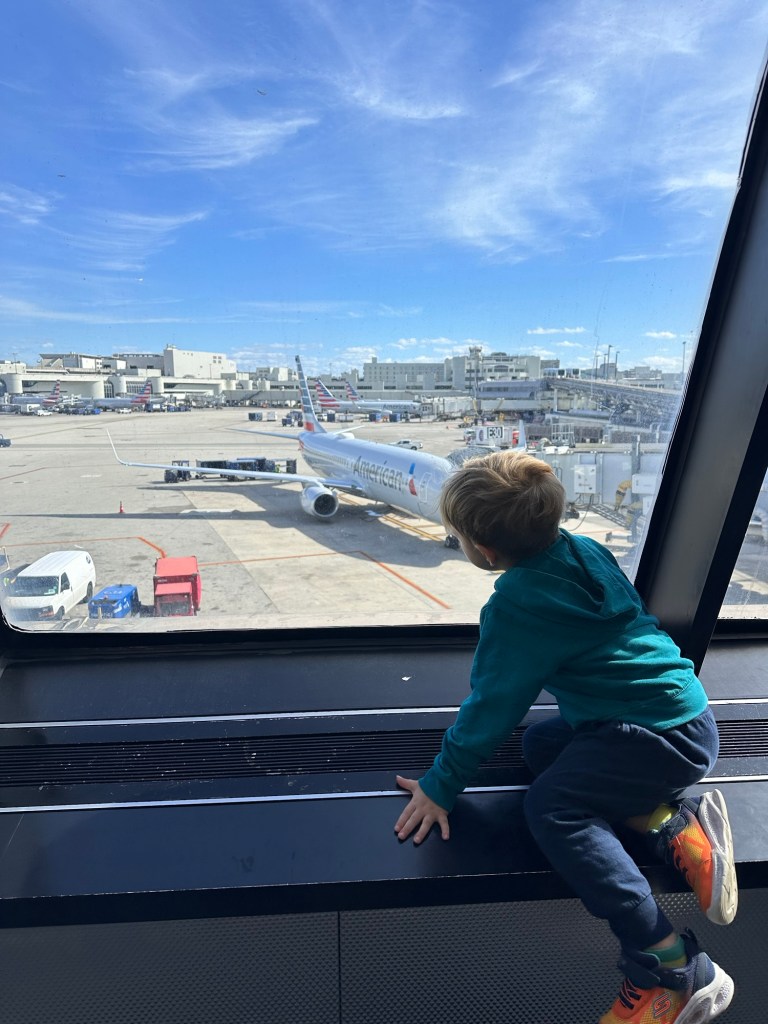
They say it’s important to focus, to get to know ourselves. And so, we start looking inward. Do I like math? Or Italian? Chemistry fascinates me, but I’m not good enough. Better to let it go.
And so, the path narrows. Step by step, we eliminate, set aside, convince ourselves. We begin chasing a blurry idea of the future: astronauts, writers, dancers.
But not for everyone, it works this way.
At school, in the final year, there was a project with an external expert. Aptitude tests, personal profiles, analysis of inclinations and abilities. For 90% of students, the result was clear: a strong predisposition for certain subjects, difficulty with others. A recommended path, almost already written.
But then there was that 10%.
A 10% that didn’t fit into any framework, that excelled a little in everything without specializing in anything. No top scores, but high marks across the board. A fluid mind, capable of navigating across disciplines without a single direction.
They were multipotential individuals.
Some are born with a precise talent, a clear calling. They understand it early, without hesitation. Then there are those who stumble upon passions, falling in love with one thing and then another, never wanting to stay still for too long. They are multipotentialites, creatures of a thousand faces, living on curiosity and change.
Since childhood, they have heard: “But you have to choose!” And so, they tried. They really tried. An art, a science, a profession. But then another discovery would come, new questions, and the pull of the unknown was always stronger than the stability of the familiar.
It is not a lack of consistency, but a rare ability: the power to connect different worlds, to see links invisible to others. They move between disciplines, build bridges between distant skills, bring fresh ideas where everything seemed stuck. They do not have just one identity; they have many, and they wear them like seasonal clothes.
And yet, society wants them to be specialists, experts in a single field, while they know how to be translators between disciplines, architects of possibilities. They are designers, writers, entrepreneurs. Or maybe all at once, without a precise label. It is not dispersion; it is their way of existing.
So, they learn not to force themselves into tight boxes. They embrace their ever-changing nature, find their place in roles that welcome transformation. And when someone asks, “So, what do you do?”, they smile. Because the answer is never just one. And that’s perfectly fine.


 Full Life Expedition
Leave a comment