
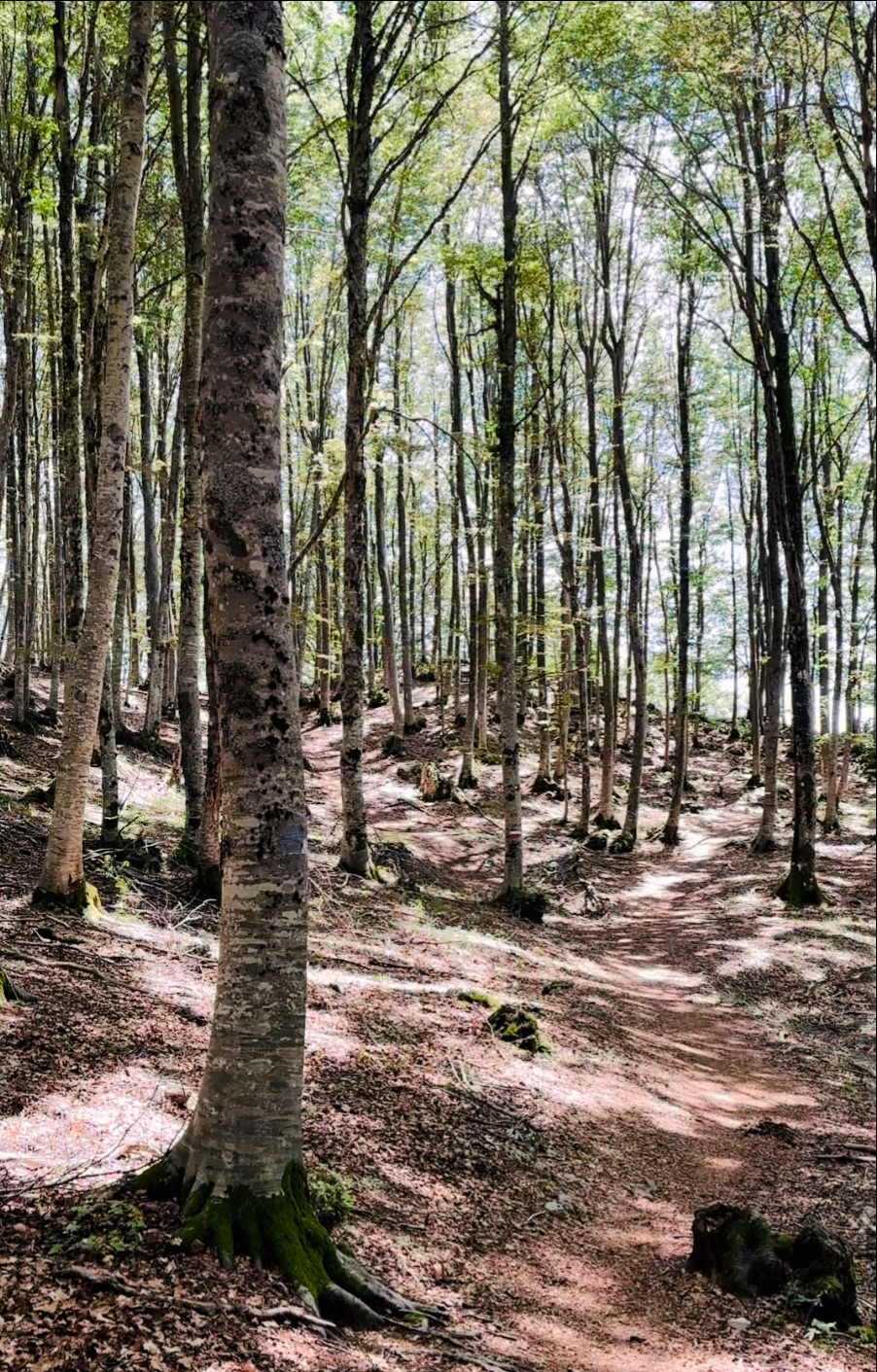

As we grow up, we learn that openly expressing our emotions can make us vulnerable. As children, we are free to hug those we love and push away those who disturb us, without hesitation. But as the years pass, society teaches us to mask our feelings, to hide them behind façades of composure. This learning solidifies over time, and we find ourselves living like trees in a forest, barely touching each other with our branches while keeping our trunks, our beating hearts, far apart.
In my travels around the world, I have encountered cultures where even a simple public hug is taboo, a gesture too intimate to be shared with the world. These societies teach that one cannot openly show love, anger, or even pain. Crying is not considered dignified.
Yet, we are beings who experience emotions at every moment, a characteristic that distinguishes us from other animals. And so, we learn to hide, to repress, to build walls around our feelings.
This dynamic becomes particularly evident in leadership roles. A leader is called to always appear strong, confident, and impassive. Emotions are a luxury he cannot afford. A true leader must look at the people under his responsibility with an equitable and broad gaze, without being disturbed by comments or looks of appreciation or disdain. He must make courageous, often unpopular decisions, and maintain an outward serenity even when inside he is besieged by doubt and worry.
Behind a facade of naturalness and confidence, the leader hides his deepest emotions, focusing on the broader vision, on the consequences of his choices. The lives of many people depend on his decisions, and a single look of disdain is nothing compared to the repercussions of a wrong choice. Often, the leader is hurt verbally, psychologically, sometimes even physically, but he knows he cannot afford to collapse. His emotions are sealed behind high walls, hidden in a remote corner of his being, with the fear that even just brushing against them might cause them all to emerge at once.
As adults, we live like trees in a forest. We stand close together, barely touching each other with our branches, but keeping our trunks, our beating hearts, far apart. This safe distance allows us to appear strong and invulnerable, a necessity for those in roles of great responsibility. But for a leader, serenity must not only be apparent; it must also be internal. Cultivating inner balance is essential to maintaining the clarity and judgment necessary to lead.
An authentic leader is not only someone who possesses great personal and professional skills but also someone who has worked on their inner balance, learning to manage emotions without being overwhelmed. The true challenge for a leader is finding a balance between the need to show stability and the genuineness of sharing their emotions. The path to authentic leadership passes through self-knowledge and the ability to maintain inner calm even in the most difficult moments.
Anyone can become a leader if, in addition to their skills, they commit to cultivating a deep inner balance capable of supporting daily challenges with serenity and firmness. This balance allows one to lead with wisdom, inspiring trust and respect in those who follow. In a world that often demands masks of strength and security, true courage lies in finding serenity within oneself and authentically showing one’s humanity.



 Full Life Expedition
Leave a comment