
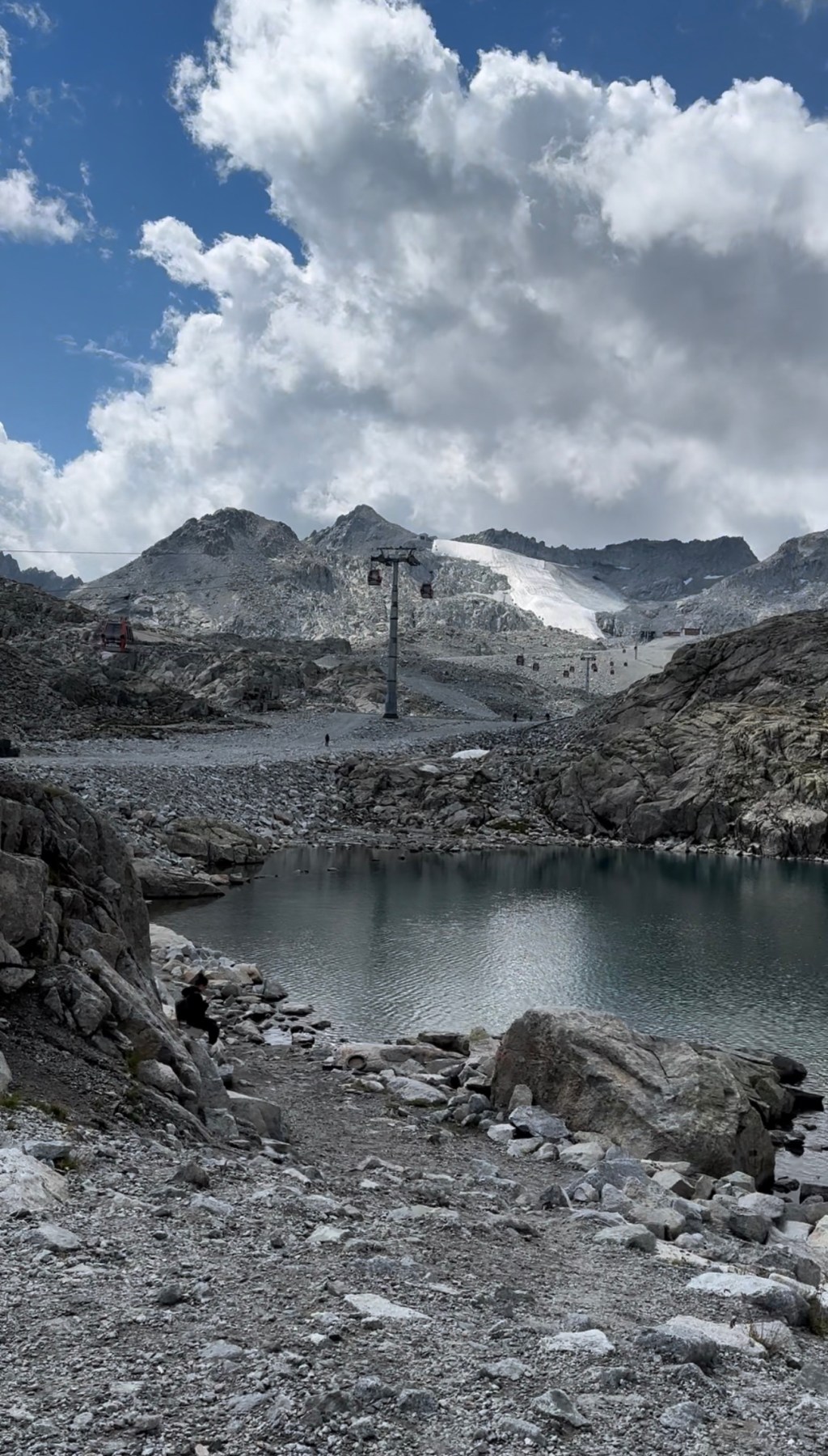
How many have had the chance to witness global warming firsthand? Awareness of this issue is growing among the new generations, but are we truly capable of making a difference? Or despite our efforts, could we be mere passive observers of the decline of our world? Just like every year, we made our way to the Alps, one of my favorite places in the world. I feel fortunate to easily return there every summer, and each year we strive to explore a new area. Every valley holds hidden gems, and though I usually mark well-known points of interest on Google Maps, I enjoy uncovering the region based on the advice of the locals.
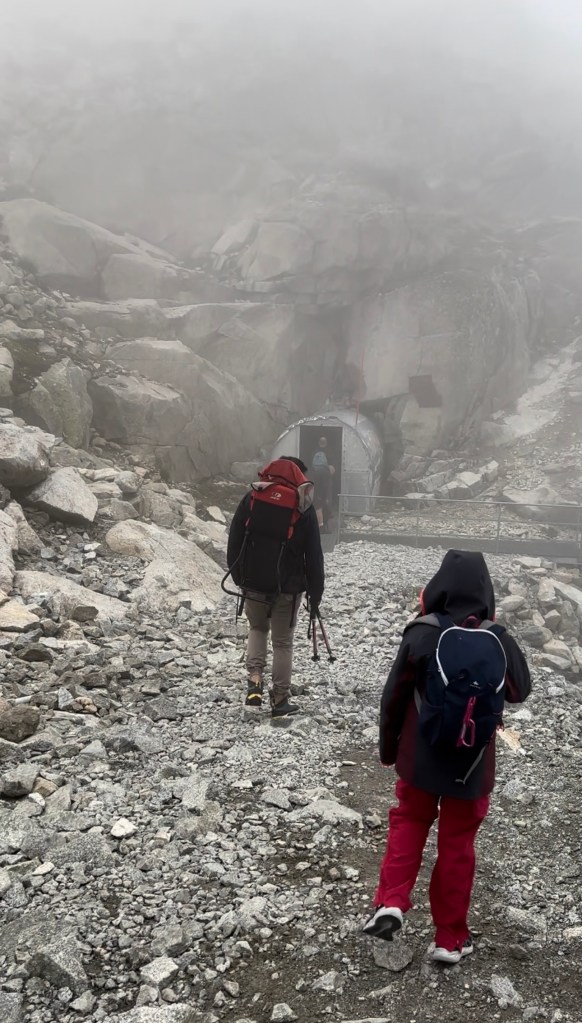
This year, we ventured to Val di Sole, situated between Stelvio National Park and Passo del Tonale. For car enthusiasts, that name might ring a bell… Passo del Tonale, however, bears a somber historical significance. It was a strategic point during the World Wars due to its proximity to Austria – so prominent that the war fought in the Alps is dubbed its own name, the White War. Thus, we decided to visit a sensory museum, constructed near a refuge, that pays tribute to this history.
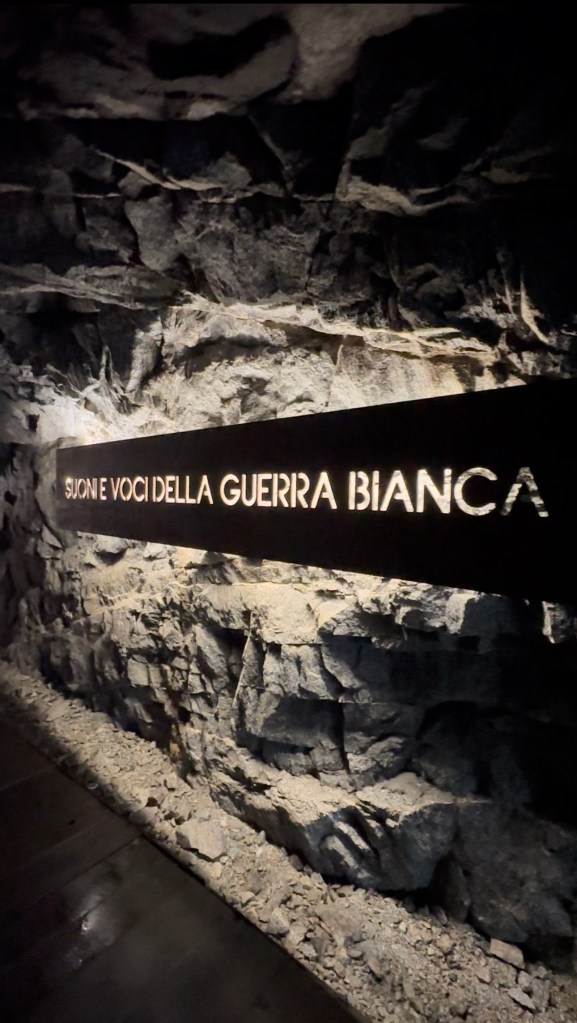
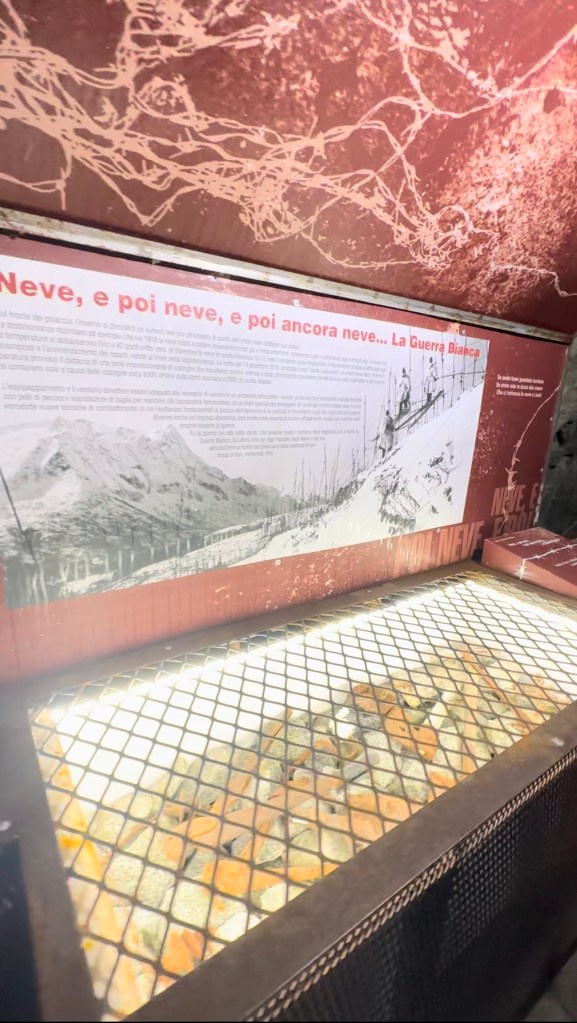
Our journey began at Passo del Tonale, taking the cable car towards the glacier. As we reached the first stop, the museum was easily found – a cave where numerous Italian soldiers had sought refuge and fought, a place where they met their end, struck not only by enemy mortars but also by the biting cold. Within the cave, stone-shaped hidden speakers reverberate with hypothetical voices of that time – commanders shouting orders to take cover from gunfire, the sound of machine guns. Among the exhibits are artifacts unearthed from the retreating glaciers, alongside the remains of fallen soldiers. Silence feels more fitting than words as we explore; it becomes clear that the cave we are treading was not only a shelter but also a tomb for many souls.
Stepping outside, we encounter the second chairlift, leading to the actual glacier at 3000 meters… or what’s left of it. One can imagine our astonishment to ascend 3000 meters in the Alps, only to find rocks, small lakes, and brooks formed from the thawing ice. And a small patch of mountain covered in tarps: all that remains of the ice, an attempt to salvage what can still be saved. Touching the clumsy endeavor of man to rectify his own mistakes – a testament to his struggle.

As we ascended to the once-icy heights of 3000 meters, I couldn’t help but feel a mixture of awe and sorrow. The Alps, once adorned with glaciers that glistened like ancient diamonds, now stood stripped and scarred, revealing their vulnerability to the relentless march of climate change. The landscape before us, a canvas of jagged rocks and subdued streams, bore witness to the cost of our actions.
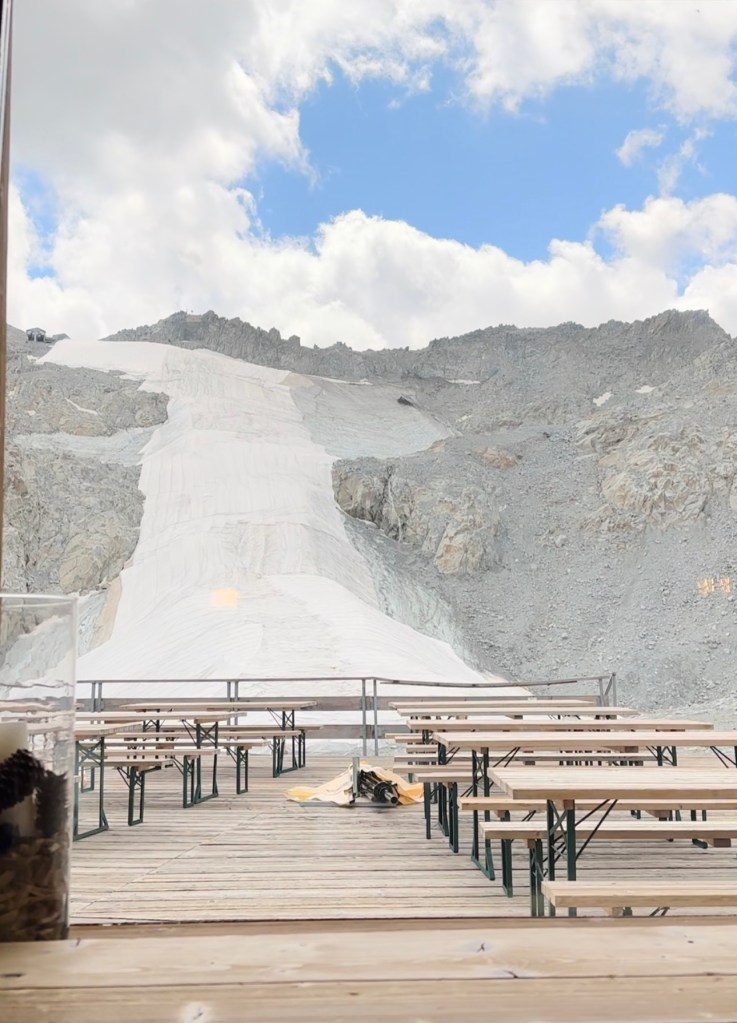
The journey onward led us to a patch of mountain where a few remnants of ice clung desperately to survival, shielded by makeshift coverings. It was as if the mountain itself had become a guardian of the last vestiges of its icy past, a guardian of our collective failure to safeguard the planet. This tableau of survival and decay, of nature’s strength and human frailty, seemed to encapsulate the larger narrative of our era.
With each step, I found myself immersed in a quiet conversation with history, with the whispers of those who had fought, suffered, and perished amid these very peaks. The echoes of their courage and sacrifice mingled with the wind, a haunting reminder that the scars of war, like those of climate neglect, transcend generations.
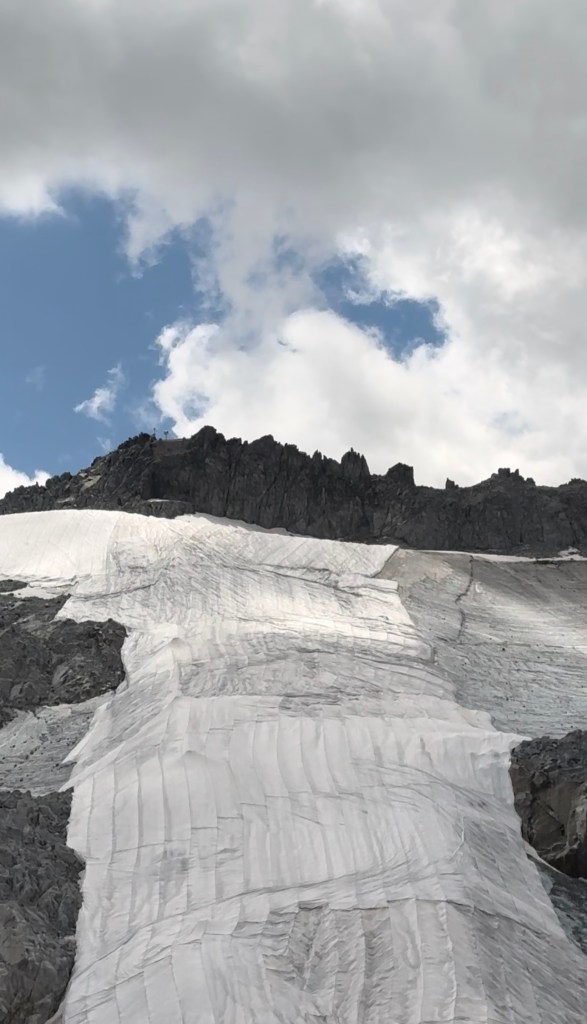
Leaving the glacier behind, I couldn’t shake the profound sense of responsibility that lingered within me. The sight of rocks and streams replacing glaciers, of tarps and boards striving to preserve what remained, painted a poignant allegory of humanity’s dual role as both perpetrator and reluctant caretaker of the environment.
As we descended back to the world below, I carried with me not only the memory of a glacier’s demise but also the urgency of our shared duty. The echoes of commanders’ shouts and the rumble of machine gun fire seemed to transform into a resounding call for change, for a commitment to healing the wounds inflicted upon our planet. It was a reminder that the choices we make today shape not only our present but also the legacy we leave for those who will walk these paths long after we’re gone.


 Full Life Expedition
Leave a comment